Carers’ Week is a time to honour the quiet strength of those who step into roles many never plan for – roles filled with deep love, sacrifice, and often, overwhelming pressure. It’s also a time to make visible the emotional weight that so many carry in silence.
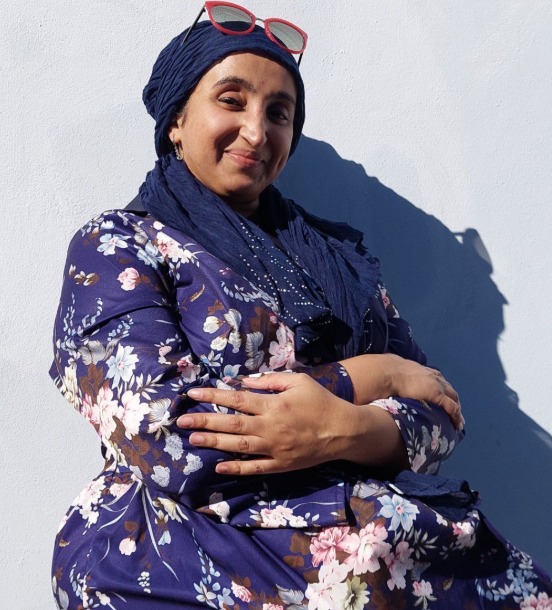
My journey as a carer began in 2012. My father, a strong and dignified man, began to experience serious health issues that required regular hospital attendances and medical follow-ups. At the time, I took it upon myself to support him – as a daughter, as an advocate, and eventually as a full-time carer. There was no shared rota, no collective family effort – it was just me. Quietly holding everything together.
In 2019, when he was officially diagnosed with dementia, the responsibility deepened. But rather than rallying around us, the extended family stepped away. The emotional burden of this withdrawal was immense. I grieved not just for the father I was slowly losing, but for the absence of community and shared responsibility that I had hoped would carry us through.
When my father passed away in January 2020, my role as a carer didn’t end. It transitioned – suddenly and completely – into caring for my mother. By then, I had already been running on empty for years. In April 2022, my health – both physical and mental – forced me to make the hardest decision of all: I had to step back from caregiving.
This decision was not made lightly. In South Asian families, caring is often seen as a duty – not just of love, but of identity. There’s an unspoken expectation, especially for women, that we will always be there to “fill the gaps” when health and social care services are stretched. But this expectation can become a trap – one that leaves carers, especially those from culturally diverse communities, unseen, unsupported, and emotionally depleted.
There’s a growing need to challenge these assumptions – both culturally and structurally. Carers are not an infinite resource. Without proper support, they burn out. Without respite, they suffer. And without validation, they vanish into roles that cost them their own wellbeing.
I also want to use this moment to acknowledge young carers – the children and young people quietly taking on adult responsibilities at home, often without recognition. Many of them, like I once was, do this unseen. Their lives, education, and mental health are impacted in ways that are still not adequately addressed in mainstream policy or practice.
This Carers’ Week, I want to thank Birmingham City Council and local organisations who are working towards more inclusive, culturally sensitive, and holistic approaches to carer support. But we need to go further. We need services that understand that caring looks different in every family and community. We need systems that recognise when carers need to step back – and catch them when they do.
To every carer reading this: I see you. I honour your invisible labour. And I remind you – you matter too.
By Rashda Shanaz | Birmingham Disability Festival