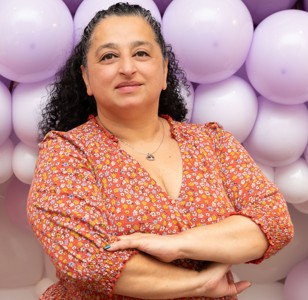
Why Birmingham Disability Pride Matters and why I am so proud to be part of the Disability Festival Organising Committee
As an Asian disabled woman living with the long-term effects of polio, this July holds a special significance for me. It’s Disability Pride Month, a time for disabled people worldwide to celebrate our identities, challenge stereotypes, and advocate for a more inclusive world. And here in Birmingham, we’re marking this crucial month with the second annual Birmingham Disability Pride, a vibrant festival that I’m incredibly proud to be involved with.
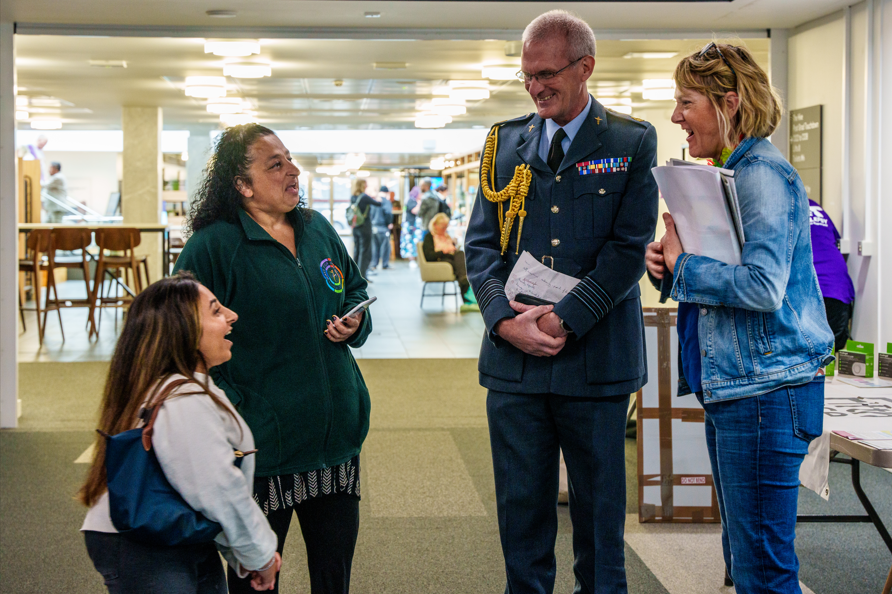
Being involved in the organisation and delivery of the Birmingham Disability Festival for 2.5 years has been an incredibly profound and rewarding experience for me. Each year, seeing the festival grow and reach more people fills me with immense pride and a deep sense of purpose. It’s not just about planning logistics or coordinating events; it’s about actively contributing to a movement that celebrates disability, challenges perceptions, and builds a stronger, more inclusive community right here in Birmingham. Knowing that my efforts, alongside those of countless dedicated individuals, are helping to create a space where disabled people can feel seen, heard, and celebrated, is truly invaluable and fuels my passion for this vital work.
For so long, disability has been seen through a lens of pity or inspiration, something to be overcome or hidden. But Disability Pride Month, which commemorates the passing of the Americans with Disabilities Act (ADA) on July 26th, 1990, flips that narrative on its head. It’s about recognising that disability is a natural and valuable part of human diversity. It’s about taking pride in who we are, acknowledging our resilience, and celebrating our contributions to society.
This year, the Birmingham Disability Festival, which is our local manifestation of Disability Pride, is back for its second year, taking place at Aston University on Saturday, July 5th. Last year’s inaugural event was a powerful testament to the strength and spirit of our community, and this year promises to be even bigger and better, packed with activities, performances, and information, all designed to be inclusive and accessible.
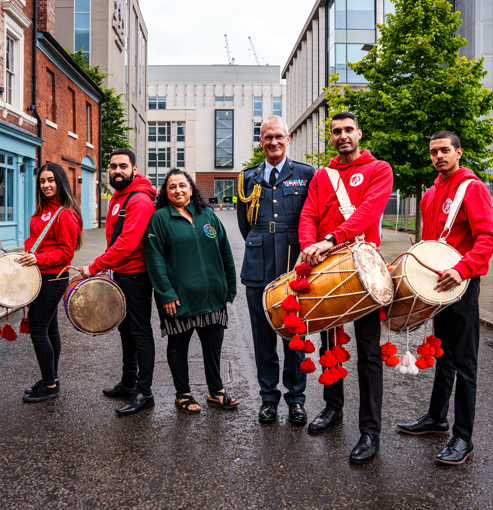
My Journey: Polio, Identity, and Advocacy
My personal journey has deeply shaped my involvement in Birmingham Disability Pride. Contracting polio as a child left me with physical disabilities that have impacted my mobility throughout my life. While polio is now largely eradicated in many parts of the world, for those of us who lived through it, it often means navigating progressive muscle weakness, pain, and mobility challenges.
Living as an Asian disabled woman adds another layer of complexity to this experience. Cultural perceptions of disability can often lead to silence, shame, or a lack of understanding. For a long time, I struggled to find my voice and fully embrace my identity. But over the years, I’ve come to understand that my experiences, far from being a burden, offer a unique perspective and a powerful platform for advocacy.
Why Representation Matters
This is precisely why Birmingham Disability Pride, and the broader movement of Disability Pride, is so vital. Representation is not just about seeing people who look like you; it’s about validating experiences, breaking down barriers, and fostering a sense of belonging.
When I see other disabled individuals, particularly those from diverse backgrounds, proudly showcasing their identities, it’s incredibly empowering. It challenges the harmful stereotypes that often permeate media and society, which typically portray disabled people in limited or one-dimensional roles. We are not just inspirational figures or tragic victims; we are complex, multifaceted individuals with dreams, talents, and contributions to make.
It’s vital to recognise that disability isn’t an isolated experience affecting only a small segment of the population; it’s a universal aspect of the human condition that can touch any one of us at any point in our lives. Accidents, illnesses, aging, or even genetic predispositions can lead to changes in our physical or mental capacities, meaning that becoming disabled is not a remote possibility but a lived reality for many and a potential reality for all. This understanding fosters empathy and underscores the importance of building truly inclusive societies, because the accommodations and accessibility we champion today for disabled people are, in essence, an investment in our collective future and a recognition of our shared vulnerability and humanity.
The past year has brought a noticeable decline in my mobility due to the progressive effects of polio, a reality that has been both challenging and profoundly illuminating. Simple tasks that were once manageable now require more effort, and I find myself navigating the world with greater physical limitations. This personal experience has only intensified my conviction that we must tirelessly champion, advocate for, and raise awareness of the pervasive societal barriers faced by disabled people. It’s a stark, daily reminder that while my body may be changing, the fight for an accessible and equitable society, free from physical and attitudinal obstacles, is more crucial than ever. My own journey underscores the urgent need to dismantle these barriers so that everyone, regardless of their physical abilities, can participate fully and equally in all aspects of life.
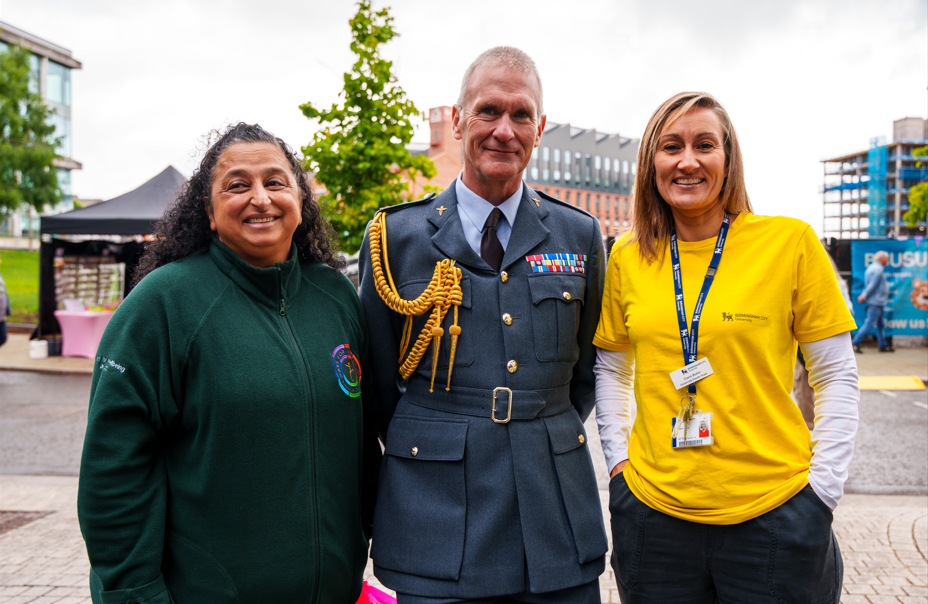
By being involved in Birmingham Disability Pride, I hope to contribute to this crucial shift in perception. I want to be a visible example of an Asian disabled woman, showing others that our voices matter, our experiences are valid, and our pride is unwavering. The festival provides a platform for us to connect, share our stories, and collectively advocate for a more accessible and equitable society. It’s about celebrating our collective strength and demonstrating that disability is something to be proud of, not to hide.
Celebrating Disability Pride and raising awareness of it is crucial for several powerful reasons. Firstly, it actively challenges the pervasive societal narrative that often frames disability as a tragedy, a burden, or something to be hidden.
Instead, Disability Pride champions the idea that disability is a natural and valuable aspect of human diversity, a source of unique perspectives, resilience, and strength. By openly celebrating our identities, we dismantle harmful stereotypes and combat ableism, the discrimination and social prejudice against disabled people.
Secondly, it fosters a vital sense of community and belonging among disabled individuals, creating spaces where we can connect, share our experiences, and feel seen and validated.
Finally, raising awareness educates the broader public about the lived realities of disabled people, highlighting the systemic barriers we face and advocating for genuine inclusion and accessibility in all aspects of society. It’s about shifting from pity to respect, from exclusion to full participation, ensuring that everyone can live with dignity and equal opportunity.
This is why the Birmingham Disability Festival is so important and needed in our city – a space for us to celebrate our disabilities, uniqueness and show how we play a part in the city’s local economy.
Join us at the Birmingham Disability Festival on July 5th. Let’s celebrate our pride, amplify our voices, and build a more inclusive Birmingham for everyone.
By Nabila Gardner
Co-founder and Chair of Birmingham Disability Festival