
This week we are diving into the importance of accessibility in public spaces and online, exploring government legislation and sharing advice from experts on why accessibility is something everyone should be thinking about. At Birmingham Disability Festival we are proud to be an accessible festival for all; we will be sharing some tips and tricks on making public spaces and online resources accessible.
“Accessibility isn’t just about ramps, alt text, or screen readers – it’s about connection, clarity, and care. It’s about making sure no one gets left behind simply because we didn’t think widely enough about their needs, experiences, or realities.” Kasia Zduniak via Linkedin.
What does accessibility mean?
Accessibility is ensuring people aren’t excluded from using what is designed and built. Most people are eager to make their events or online platforms accessible but don’t know where to start. It is important to consider the needs of a diverse audience from the moment you begin designing an event or platform, thinking about the challenges people may face, from visual impairments, blindness, and deafness or hard of hearing to mobility and how people think and understand things.
There is so much that encompasses inclusion and ensuring public spaces as well as online resources and platforms are accessible to all. It starts with empathy. It starts with asking yourself the simple questions: will this work for somebody who is overwhelmed? Are these colours distracting? Is this email calm or overwhelming? Would somebody unable to walk be able to use this entrance? Is this font big enough?
Legality
The Equality Act 2010 is a government legislation in place to ensure reasonable adjustments are made and disabled people are not at a disadvantage. This encompasses public spaces and digital platforms like shops, venues and transport, as well as websites and mobile apps. Accessibility and equality are about dignity and independence.
Gov.uk provided a guide named P.O.U.R., which are the 4 principles of accessibility for a digital service:

- Perceivable: Ensuring the content is available to at least one of a person’s senses. For example: If a person has a visual impairment, is the content large enough or easy to make larger in order to see it? Is the colour contrast good? If a person is blind, will the screen reader be able to pick up what is on the screen? If a person is deaf, are their audio descriptions?
- Operate: Can everybody operate the website easily? If a person does not use a mouse, will the website operate with a keyboard or speech recognition device?
- Understandable: Thinking about making the content understandable for all abilities, including people with dyslexia or people on the autistic spectrum. Ensuring that the language used is simple and that the content is consistent and predictable.
- Robust: Ensure that the digital service is robust and therefore compatible with many different technologies people may be using to access the service, such as ensuring it is compatible with older browsers or a screen reader.
Small changes, big impact
Accessibility doesn’t always have to be expensive and complicated. If all members of the community are considered from the offset, it will avoid people being forgotten.
During teacher training, trainees are advised to always treat the children with empathy and kindness. Common advice used is “Whenever you are speaking to a child, imagine that their parent or loved one is stood right behind them”. This relates to accessibility directly, when organising an event or creating a digital platform, just think, could my grandma access this? Could my friend who is hard of hearing perceive this content as I can? Start there and you will naturally start to consider broader members of society.
At events:
- High-contrast colours on signs with clear fonts. For people with dyslexia a great font to use is Arial. For people who are colour blind, avoid using green and pink/red.
- Provide step free access or ramps.
- Offer quieter areas for neurodivergent people.
- Ensure staff are provided with suitable training in disability awareness and inclusivity.
Online:
- Provide alt text and image descriptions for images and test keyboard navigation on websites.
- Choose colours and fonts thoughtfully.
- Provide captions and transcripts for any visual and audio content.
- Test your digital platform with a screen reader and other accessibility tools.
Nobody is perfect
You are not going to get it right first time, and people do not expect you to know everything when it comes to accessibility. It all comes down to empathy and effort. Thinking about accessibility from the start and throughout your practice, whatever that may be. If in doubt, you can always do your own research online or ask an inclusion and diversity member of staff within your workplace. Don’t feel embarrassed for not understanding; seeking education and understanding shows you are taking steps towards an accessible environment.
Our purpose…
The Birmingham Disability Festival is an amazing opportunity for disabled people and allies to come together, celebrate disabilities, showcase talents, and gain valuable information from small independent organisations, social enterprises, and sole traders. This festival offers a safe space to get involved in activities and performances without judgement. If you would like to find out more about accessibility, the Birmingham Disability Festival is a great place to start!
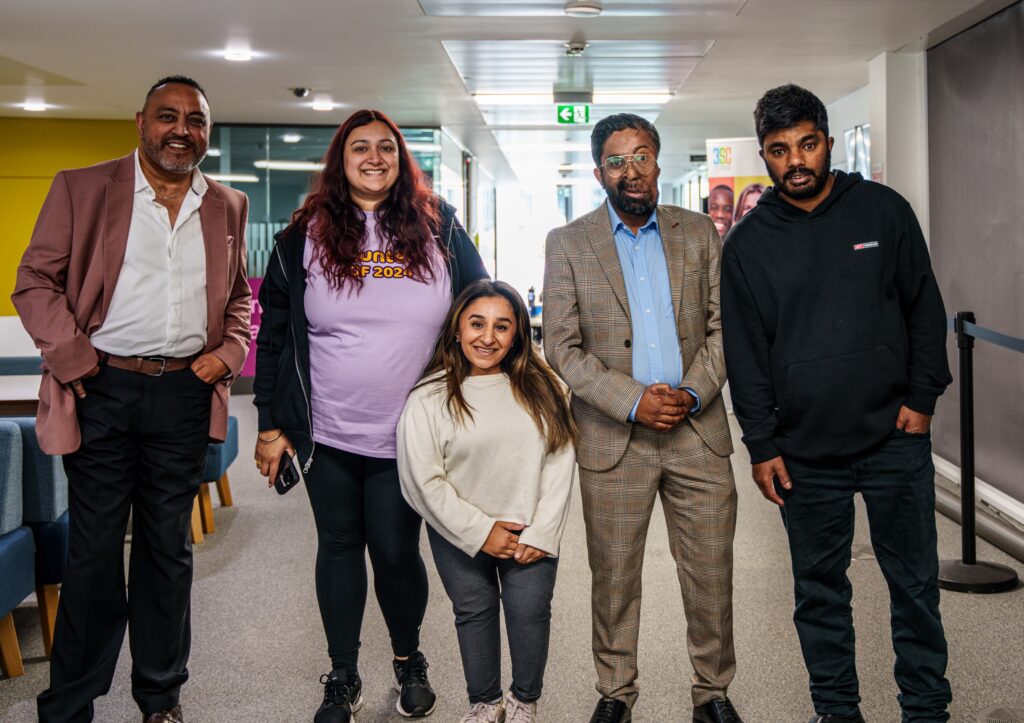
Accessibility: The event is fully accessible, with British Sign Language interpreters available, quiet spaces accessible, and assistance dogs welcomed. Food, drink, and seating areas will be available on-site. Free parking at Millennium Point car park is available for blue badge holders.
Registration: Although the event is FREE, attendees will need to register for a ticket. For more information and to register your attendance, please visit the following link: Birmingham Disability Festival Eventbrite.
Contact Information: For further information, please email: bhamdisabilityfestival@gmail.com
Volunteer Opportunities: We are looking for volunteers from all backgrounds—no experience necessary. Volunteers can sign up to be involved via the link below: Volunteer Sign-Up.
Follow us for weekly announcements on Guests and Human Books!
- Instagram: BIRMINGHAM DISABILITY FESTIVAL
- Facebook: BHAM DISABILITY FESTIVAL
- LinkedIn: BHAM DISABILITY FESTIVAL